RV De-Winterizing Tips for Safe Spring & Summer Travel in Churchville, PA
After months of cold temperatures, snow, and freezing conditions, spring is finally here in Churchville. For RV owners, that means it’s time to prepare for road trips, camping weekends, and summer adventures. Before you hit the road, however, your RV needs proper de-winterizing to ensure every system is operating safely and efficiently after sitting through the winter season.
At Dave's Auto and Truck Service, we know that preparing your RV for warmer weather involves more than simply turning the key and heading out. Cold weather storage can impact plumbing systems, batteries, tires, engines, seals, and more. Taking the time to properly de-winterize your RV helps prevent costly repairs, improves safety, and gives you peace of mind for every upcoming trip.
Whether you own a motorhome, travel trailer, fifth wheel, or camper van, this guide will walk you through the most important RV de-winterizing steps for spring and summer travel in Churchville, PA.
Why RV De-Winterizing Matters
Winter storage protects your RV from freezing temperatures, but those protective measures must be reversed properly before travel season begins. Skipping important inspections or maintenance tasks can lead to unexpected breakdowns, water leaks, battery failures, overheating problems, or unsafe driving conditions.
A thorough spring RV inspection helps you:
- Detect damage caused by freezing temperatures
- Prevent plumbing leaks and water damage
- Ensure safe tire performance
- Improve fuel efficiency
- Protect your engine and drivetrain
- Avoid roadside breakdowns
- Extend the lifespan of your RV systems
- Prepare confidently for long-distance travel
At Dave's Auto and Truck Service in Churchville, PA, we recommend scheduling RV maintenance early in the spring before travel season reaches its peak.
Start With a Full Exterior Inspection
Before focusing on mechanical systems, begin by inspecting the outside of your RV carefully. Winter weather and long storage periods can cause damage that may not be immediately noticeable.
Look for:
- Cracked or damaged seals around windows and doors
- Roof damage or soft spots
- Water stains or signs of leaks
- Loose trim pieces
- Rust or corrosion
- Damaged awnings
- Broken vents or covers
- Signs of rodent activity
Pay close attention to the roof since small cracks or damaged sealant can allow moisture intrusion that leads to expensive repairs later.
Spring is also an ideal time to thoroughly wash and wax your RV. Cleaning helps you spot hidden damage while protecting the exterior from UV exposure during summer travel.
Flush and Sanitize the Water System
One of the most important parts of RV de-winterizing is restoring the plumbing system after winterization.
Many RV owners use antifreeze to protect pipes and tanks during freezing temperatures. That antifreeze must be completely flushed before using the water system again.
Steps for De-Winterizing RV Plumbing
- Reconnect or reinstall water filters
- Check all drain plugs and water heater bypass valves
- Fill the fresh water tank
- Flush the entire plumbing system
- Run water through every faucet and shower
- Inspect carefully for leaks
- Sanitize the fresh water system
Sanitizing your RV water system helps eliminate bacteria and stale odors that can develop during storage.
If you notice low water pressure, unusual odors, or visible leaks, it’s important to address those issues before your first trip of the season.
Inspect the RV Battery
Cold weather and long periods of inactivity can drain RV batteries significantly. A weak or failing battery can leave you stranded before your vacation even begins.
Inspect the battery for:
- Corrosion on terminals
- Loose connections
- Cracks or swelling
- Low fluid levels
- Slow charging performance
Use a voltmeter to check battery condition and verify proper charging. If your battery struggles to hold a charge, replacement may be necessary before summer travel.
At Dave's Auto and Truck Service, we often see RV owners discover battery problems only after arriving at a campsite. Testing your battery early can help you avoid inconvenient surprises.
Check Tire Condition and Pressure
RV tires naturally lose air pressure over time, especially during winter storage. Driving on underinflated or damaged tires creates serious safety risks, including blowouts and poor handling.
Inspect all tires carefully, including the spare.
Look for:
- Cracks in sidewalls
- Uneven tread wear
- Flat spots
- Dry rot
- Embedded debris
- Bulges or damage
Check tire pressure using the manufacturer’s recommended specifications. RV tires often require higher pressures than passenger vehicles.
Even if your tread looks acceptable, aging tires can still become unsafe. Many RV tires age out before they wear out, especially if exposed to UV rays or extended storage conditions.
Test the Braking System
Your RV’s braking system is one of the most critical safety components for spring and summer travel.
If your RV has been parked for several months, rust can develop on brake rotors and components. Brake fluid can also absorb moisture over time, reducing performance.
During spring maintenance, inspect:
- Brake pads and rotors
- Brake fluid condition
- Brake lines
- Trailer brake connections
- Emergency breakaway systems
- Parking brake operation
If you notice squealing, grinding, vibration, or reduced stopping power, schedule a professional brake inspection before traveling.
Change Fluids and Filters
Seasonal maintenance is essential for keeping your RV running reliably during long trips.
Important fluids and filters to inspect include:
- Engine oil
- Transmission fluid
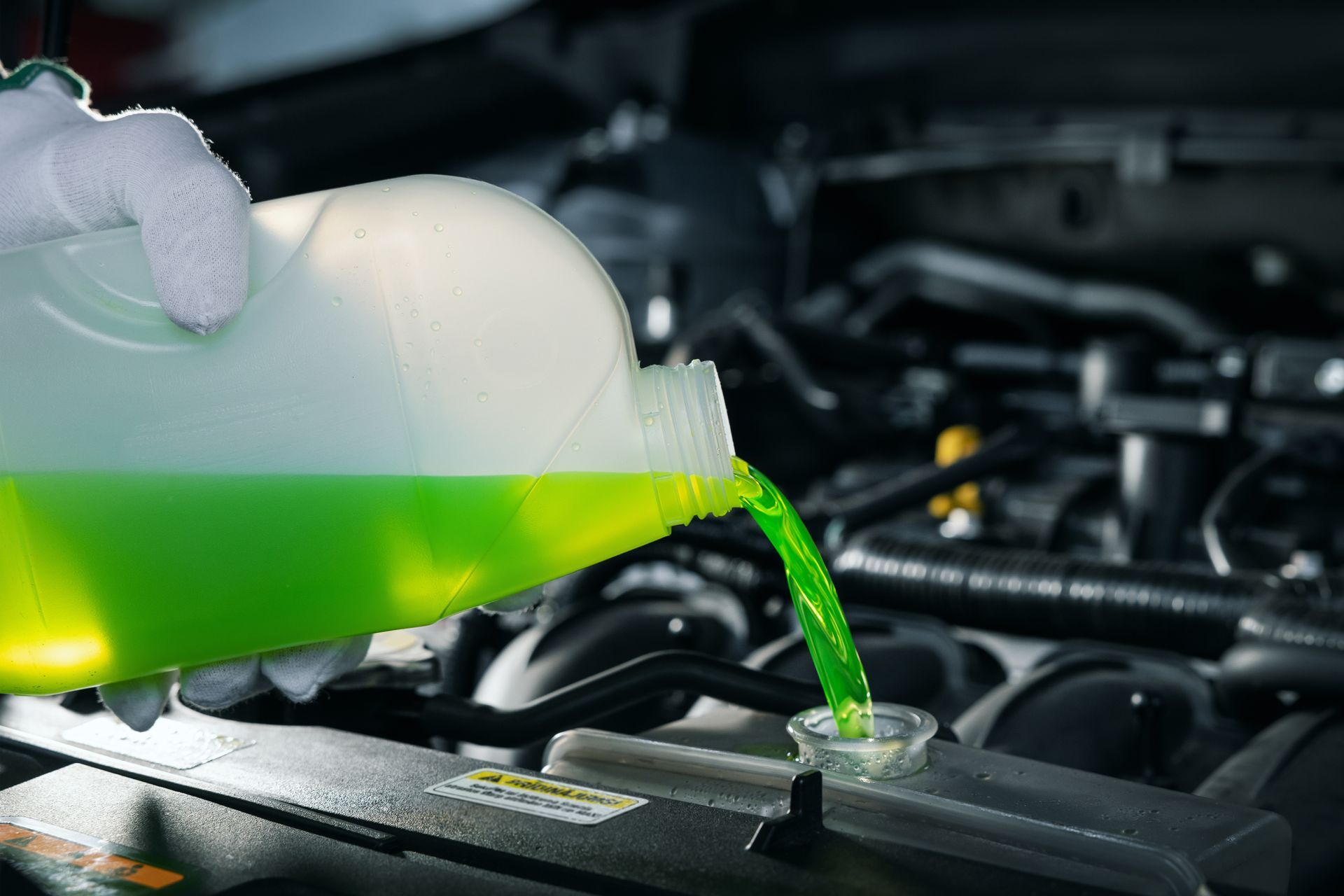
- Coolant
- Brake fluid
- Power steering fluid
- Generator oil
- Fuel filters
- Air filters
Old or contaminated fluids can reduce performance and increase wear on expensive components.
For motorhomes, regular oil changes and cooling system inspections are especially important before hot summer driving conditions arrive.
Inspect the Cooling System
Spring and summer travel place heavy demands on your RV’s cooling system. Overheating can quickly ruin a vacation and potentially damage your engine.
Inspect:
- Coolant levels
- Radiator hoses
- Hose clamps
- Belts
- Radiator condition
- Cooling fans
If your coolant hasn’t been serviced according to manufacturer recommendations, spring is an excellent time to do it.
At Dave's Auto and Truck Service in Churchville, PA, we recommend paying close attention to cooling systems before long-distance RV travel, especially for older motorhomes.
Check Your RV Generator
Many RV owners rely heavily on generators during camping trips. Unfortunately, generators that sit unused during winter can develop fuel issues, battery problems, or clogged components.
Before your first trip:
- Change generator oil if needed
- Inspect fuel lines
- Test startup operation
- Run the generator under load
- Check for unusual noises or smoke
Running the generator for a short period each month during storage helps reduce future problems.
Test Appliances and Electrical Systems
Spring de-winterizing should include testing all major RV appliances and electrical systems.
Check:
- Air conditioning
- Furnace
- Refrigerator
- Water heater
- Microwave
- Lighting
- Outlets
- Propane systems
- Smoke detectors
- Carbon monoxide detectors
Summer camping often means relying heavily on your RV air conditioning system. Testing it early gives you time to repair issues before peak travel season.
Inspect Belts and Hoses
Rubber components naturally degrade over time, especially when exposed to temperature changes.
Inspect belts and hoses for:
- Cracking
- Fraying
- Soft spots
- Leaks
- Dry rot
Replacing worn belts or hoses before they fail can prevent expensive roadside repairs and overheating problems.
Check Suspension and Steering Components
RVs are significantly heavier than standard passenger vehicles, making suspension and steering maintenance especially important.
Inspect:
- Shocks and struts
- Steering linkage
- Bushings
- Ball joints
- Wheel bearings
If your RV feels unstable, drifts while driving, or produces unusual noises, it may require suspension or steering repairs before travel.
Don’t Forget About the Roof and Seals
Water intrusion is one of the most common and costly RV problems.
Inspect all roof seams, vents, skylights, and seals carefully. Resealing small cracks early can prevent major structural damage later.
Summer heat and UV exposure can accelerate deterioration, making spring inspection especially important.
Prepare Your RV Air Conditioning System
As temperatures rise in Churchville, PA, your RV’s air conditioning system becomes essential for comfortable travel.
Before summer trips:
- Clean or replace air filters
- Test cooling performance
- Inspect vents
- Check for unusual odors
- Ensure proper airflow
Weak cooling performance may indicate refrigerant leaks, electrical issues, or dirty components that should be addressed before hot weather arrives.
Organize Emergency Supplies
Every RV owner should carry emergency equipment before starting a new travel season.
Recommended supplies include:
- Tire pressure gauge
- Basic tools
- Flashlights
- Jumper cables
- Extra fluids
- First aid kit
- Wheel chocks
- Spare fuses
- Emergency roadside kit
Preparedness can make a major difference during unexpected roadside situations.
Why Professional RV Maintenance Matters
While many RV owners handle basic de-winterizing themselves, professional inspections provide an extra level of confidence before travel season begins.
At Dave's Auto and Truck Service, we help RV owners in Churchville, PA identify hidden problems before they become major breakdowns. Professional maintenance can uncover issues that are easy to overlook, including brake wear, suspension concerns, fluid contamination, cooling system weaknesses, and electrical problems.
Routine RV maintenance also helps protect your investment while improving safety, reliability, and overall travel enjoyment.
Common RV Problems Found During Spring Inspections
Each spring, RV owners commonly discover issues such as:
- Dead batteries
- Tire dry rot
- Water leaks
- Rodent damage
- Brake corrosion
- Generator failures
- Air conditioning problems
- Low fluid levels
- Cracked seals
- Cooling system leaks
Addressing these problems early helps prevent expensive repairs later in the travel season.
Get Ready for a Safe Travel Season
Spring and summer are some of the best times to enjoy RV travel throughout Pennsylvania and beyond. Proper de-winterizing helps ensure your RV is ready for every adventure ahead.
Taking time to inspect your plumbing, tires, battery, cooling system, brakes, generator, and electrical components can save you from major headaches on the road. Whether you’re planning a weekend camping trip or a cross-country journey, preventative maintenance is always worth the investment.
Dave's Auto and Truck Service proudly helps RV owners in Churchville, PA prepare their vehicles for safe, reliable travel throughout the spring and summer months. With proper seasonal maintenance and inspections, you can focus on enjoying the open road with confidence.